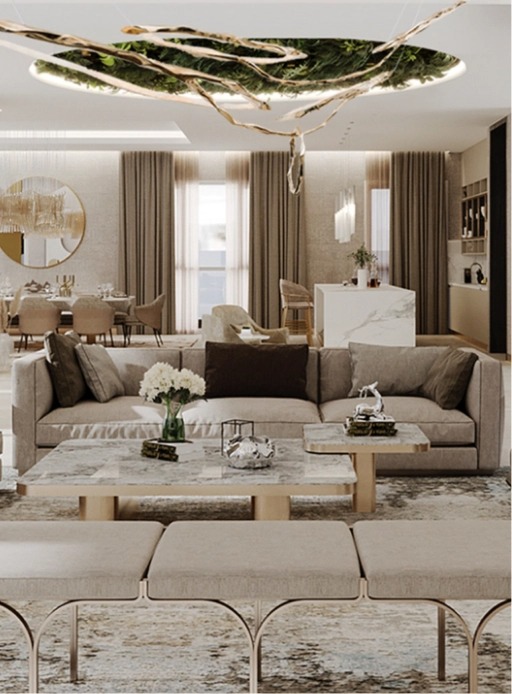
Effective communication is the key to a successful interior design project. Your ability to share your vision directly affects the final result. A clear exchange of ideas allows your consultant to create a space that reflects your personality and serves your daily life.
This process becomes particularly important when working with a Dubai interior design consultant, who can interpret your ideas within a unique and dynamic aesthetic context.
Gather Visual Inspiration First:
Start your project by collecting images that appeal to you. Create a dedicated folder or digital board. Include photographs of rooms, furniture, color combinations, fabrics, and architectural details. Do not filter your choices too much at this stage. This collection acts as a visual dictionary for your consultant, providing concrete references that words often fail to capture. It reveals patterns in your taste you might not notice yourself.
Detail Your Practical Needs:
A beautiful space must also function for you. Write a list detailing how you use the room. Specify the number of regular occupants, storage requirements for specific items, and activities like hosting guests or remote work. Note any existing pieces you plan to keep. Include preferences for natural light, seating capacity, or technology integration. This practical framework gives your designer a clear set of operational goals for the layout and specifications.
Share Your Preferences and Limits:
Clear communication involves stating what you want and what you avoid. Tell your consultant about colors, materials, or styles you dislike. Discuss your budget parameters and ideal timeline at the outset. Establishing these boundaries early allows the designer to focus their creativity effectively. It prevents proposals that miss the mark and makes the process efficient.
Use Descriptive Language:
When discussing aesthetics, use specific and sensory words. Instead of saying “inviting,” describe “a room with a large, comfortable sofa, soft lamplight, and warm wood tones.” Replace “bright” with “ample natural light and a palette of cream and pale blue.” Explain the feeling you want the space to generate, such as “focused,” “relaxed,” or “social.” This vocabulary builds a shared understanding of the project’s emotional core.
Engage in the Review Process:
Your role continues after the initial brief. When presented with concepts, provide specific feedback. Point to elements you like and ask questions about suggestions that give you pause. Explain your reasoning. This collaborative dialogue allows the designer to adjust and refine their ideas. The final design will feel truly yours because it developed through this active partnership.